Software should grow in complexity with your ability
Nov 2026
Recently, I brought a small MIDI keyboard back from Australia with the intention of making some music in my spare time.
I spent 16 years of my life learning piano so I have a fairly good understanding of how to play music, but no real knowledge of how to record or make anything electronically.
One of the leading software products to do this is Ableton. These kinds of software products are called DAWs (Digital Audio Workstations).
Ableton is famously difficult to learn. It's complex because it is complex. There are…shitloads of things you can do. Which makes sense because the best people in the world use it and the rest use Logic Pro (Apple).
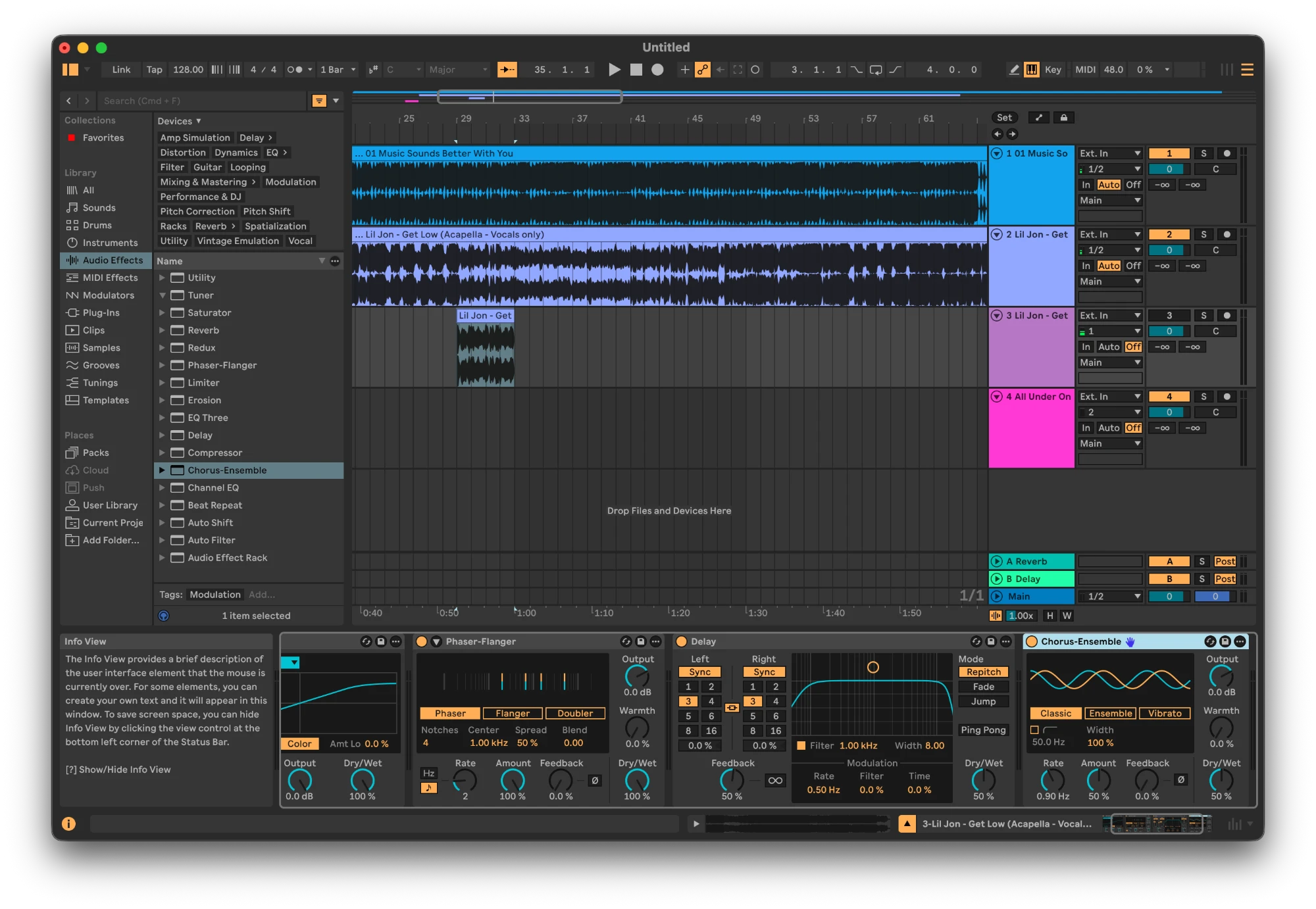
Complex By Design
If you've designed any kind of SaaS product before, or even just used one, you will be familiar with the learning curve that comes with these things.
And there is again good reason for this.
It's something like 80% of your customers will use 20% of the features in your product regularly.
And so of course the question then is, who are the other 80% of features for? And that answer is the power users.
In any given market there are a chunk of people who need a lot of features and functionality before they will consider giving you any money.
As a software creator you have a choice. Do you make two versions of your product, one simple one with fewer features and then one complex one, or do you throw everything in one product and give it to everyone?
More often than not creators choose the latter. It's arguably more difficult to design, but then you're also not dealing with two different products.
And that is kind of the story of SaaS products over the last few decades.
Back to making music
When I went to open Ableton last week, I had a thought that it might help me learn the basics if I built something similar from scratch.
So I did.
A few months or even weeks ago it would not have been possible. But with Claude, I was able to say "hey I have this MIDI controller and I want a web app that lets me lay down four tracks and select basic instruments". I worked on it for an hour and now I have what you can see here.
It's like a DAW for kids. A few tracks, some loops, record and export.
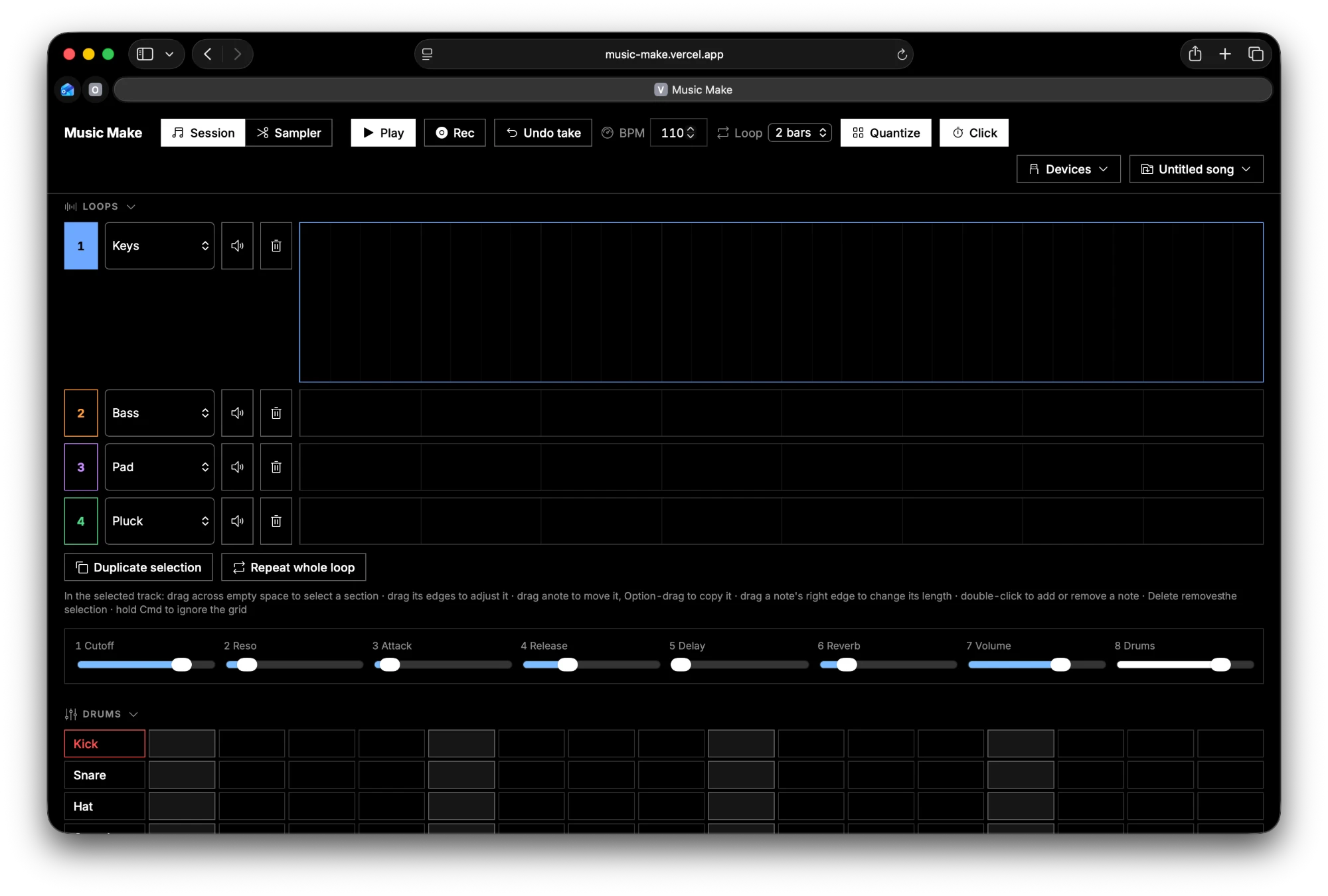
An Unlock
In the process of making this project, it occurred to me that in this new world where development of functionality is cheap or free, you can make a case for software to be built and imagined differently.
In theory, software should grow in complexity with your ability.
At any given point, it should be just ahead of what you can do.
Now there are lots of caveats to this. Does that kind of approach kill happy accidents and exploration? Likely, and that isn't something I'd like to see vanish.
There is also a good argument that most software should really just go away entirely (I don't really want to learn how to do my bookkeeping and accounts).
But I'm thinking more here about creative tools or things we do for leisure or play.
After hearing me rant about this recently, my friend John said this sounded like progressive disclosure for software, maybe similar to the ideas of generative UI that people have discussed for years.
I find all of these ideas and conversations interesting because, at the end of the day, as product people we must ultimately be interested in meeting customers where they are at by giving them the right tool for the right job at the right time. And this kind of approach might indeed be something that makes us better able to do that job.